Fashion Week, a semi-annual spectacle where designers unveil their latest collections, stands as a critical barometer for global trends, economic health, and cultural shifts. Originating from exclusive Parisian salons, it has grown into a powerful international phenomenon, with major capitals like New York, London, Milan, and Tokyo leading the charge. Yet, in an era of rapid change, these iconic events face both unprecedented challenges and exciting new opportunities that are reshaping the very fabric of the fashion industry.
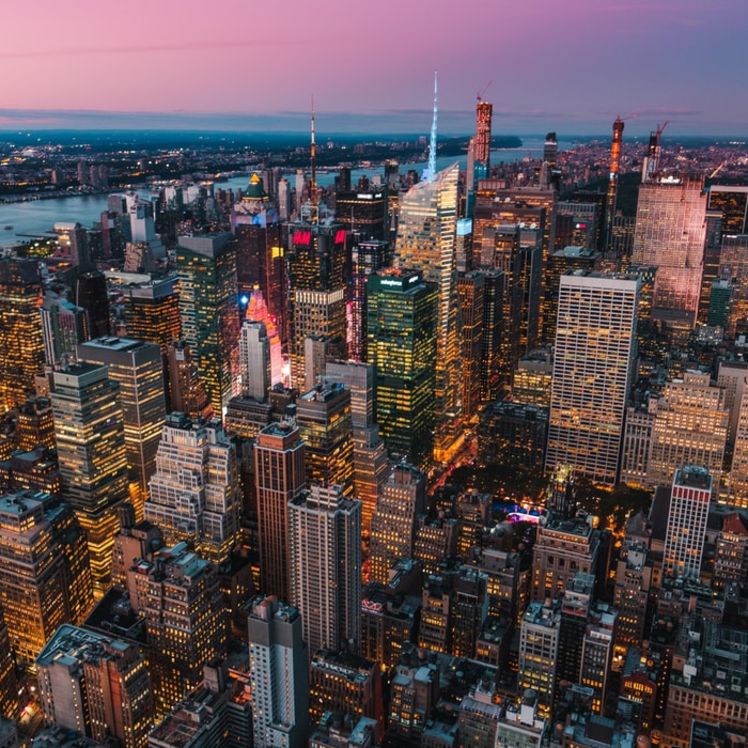
Inaugurated in 1943 by Eleanor Lambert, New York Fashion Week historically pioneered the concept of a centralized fashion event. Known for its commercial appeal and sportswear influence, NYFW has long been a cornerstone of American fashion. However, in 2025, NYFW faces a shrinking schedule, with fewer designers opting to show and some major American brands moving their presentations to Paris. This reflects an industry shift where established names prioritize global visibility and perhaps a more European aesthetic, challenging New York's once unshakable position.
London Fashion Week, established in 1983, is renowned for its avant-garde creativity, support for emerging talent, and a distinct rebellious spirit. However, 2025 sees LFW grappling with significant shifts, including the noticeable absence of its menswear week from the official schedule, a move aimed at focusing on commercial opportunities elsewhere. Post-Brexit challenges, such as funding and export complexities, have also led some British designers to seek opportunities in Paris or Milan. Despite these hurdles, LFW remains a vital hub for young designers, relying on programs like Newgen and Fashion East to keep its vibrant, physical shows alive.
Milan Fashion Week, kicking off in 1958, is synonymous with Italian craftsmanship, luxurious ready-to-wear, and powerful heritage houses. MFW continues to be a global magnet, drawing international buyers and celebrities. Recent seasons, including Autumn/Winter 2025, have seen major houses like Gucci and Fendi navigate transitions in creative direction, highlighting the city's continuous evolution while maintaining its core identity of elegance and sartorial excellence. Its focus remains on high-quality collections that blend traditional techniques with modern elements.
Tokyo, a recognized fashion capital since the 1980s with its avant-garde designers like Issey Miyake and Rei Kawakubo, continues to assert its unique voice. Rakuten Fashion Week TOKYO is increasingly relevant on the global calendar. For its Fall/Winter 2025 season, Tokyo showcased brands blending traditional Japanese tailoring with ultra-femininity, bold textures, and exaggerated shapes. While often acting as a proving ground before designers present in Paris, Tokyo maintains its distinct, innovative, and culturally rich identity.
Less publicized than the "Big Four" but carving out a significant niche, Rome Fashion Week (held in May 2025 for its eighth edition) distinguishes itself by focusing exclusively on ceremonial fashion. This includes bridal, evening, and formalwear. The event has seen growing international attention, transforming the Italian capital into a vibrant showcase of intricate designs and timeless craftsmanship tailored for life's most significant moments. Its specialized focus and strong business platform make it a vital reference point for this growing sector of the industry.
The global landscape of fashion weeks is in constant evolution. While economic and environmental pressures demand adaptation, the embrace of technology, sustainability, and inclusivity presents a vibrant future. These dynamic events will continue to serve as crucial stages for innovation, creativity, and the ongoing conversation about style and its place in our rapidly changing world.